

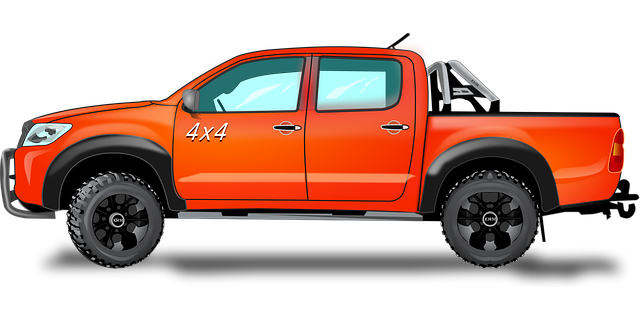






In the world of off-road enthusiasts, the path to optimal vehicle performance lies in fine-tuning every component, especially the suspension system. Tips-from-McAllen’s-4×4-Suspension-Specialists have become a beacon for those seeking to unlock their 4×4 vehicles’ true capabilities. This article delves into the art of coilover adjustments, offering valuable insights that can transform your off-road experience.
Understanding Coilovers: The Foundation of Suspension Control
Coilovers, short for coil spring over dampers, are a type of suspension system component that combines spring and damping functions in one unit. They are the cornerstone of precise vehicle control, allowing drivers to tailor their 4×4’s behavior to various terrain challenges. These specialists understand that effective tuning starts with recognizing the unique characteristics of different coilover setups.
Why Choose Coilovers?
- Customizability: Unlike stock springs, coilovers offer adjustable spring rates and damping levels, allowing for fine-tuned suspension setup according to driving style and terrain.
- Performance Enhancement: By controlling body roll and improving cornering abilities, coilovers contribute significantly to better handling and overall performance.
- Versatility: McAllen’s experts emphasize that the same coilover system can adapt to various off-road conditions, from rocky trails to mudding adventures.
Tips for Optimizing Your 4×4 with Coilovers
When it comes to implementing tips-from-McAllen’s-4×4-suspension-specialists, understanding your vehicle and desired driving style is paramount. Here are some essential considerations:
1. Identify Your Terrain
The first step in coilover tuning involves recognizing the primary terrain you’ll be navigating. Different off-road scenarios demand different suspension setups:
- Rocky Trails: Stiffer springs and firmer damping control can help navigate uneven, rocky paths without bottoming out.
- Mud and Slush: Softer springs and adjustable damping allow for better traction in deep mud or slushy conditions.
- Sand Dunes: Lightweight coils with adjustable pre-load settings enable smoother riding over shifting sand.
2. Weigh Your Vehicle
Coilover performance is directly linked to weight distribution. McAllen’s specialists recommend considering the following:
- Heavier vehicles require stiffer springs to maintain control and reduce body roll.
- Lighter 4x4s might benefit from softer springs for improved agility and responsiveness.
3. Adjust Preload Settings
Preload is a crucial factor in coilover tuning, especially when carrying additional gear or passengers. Here’s how it works:
- Higher Preload: Reduces body roll but may increase ride firmness, suitable for high-speed driving.
- Lower Preload: Enhances comfort on rough terrain but can lead to body lean during cornering.
4. Fine-tune Damping Ratios
Damping controls the speed at which coils compress and rebound. Adjusting these settings offers:
- Firm Damping: Improved control and reduced body roll, ideal for technical trails.
- Soft Damping: Better ride comfort on rough terrain, but may require more careful driving.
Choosing the Right Coilover System
Selecting a coilover kit tailored to your 4×4 is a critical decision. McAllen’s 4×4 Suspension Specialists offer these guidelines:
Consider Brand and Quality
Reputable manufacturers ensure consistent performance and quality control. Look for brands known for their off-road expertise.
Match Spring Rates to Your Vehicle
Spring rates should match your vehicle’s weight and intended use. Overly stiff springs can lead to excessive body roll, while too soft may result in poor control.
Check Compatibility
Ensure the coilover system fits your specific 4×4 model. Custom or universal kits might require additional modifications for a perfect fit.
Installation and Setup: A Step-by-Step Guide
Implementing coilovers is a precise process that requires patience and attention to detail. Here’s a simplified guide:
- Prepare Your Vehicle: Ensure your 4×4 is clean, and all necessary tools are at hand.
- Remove Stock Springs: Carefully remove the old springs, being mindful of any retaining clips or bolts.
- Install Coilovers: Align the coilover assemblies with the vehicle’s suspension points and secure them in place using specified hardware.
- Adjust Settings: Follow manufacturer guidelines to set preload, damping ratios, and other parameters for optimal performance.
- Test Drive: Take your 4×4 for a spin to assess handling, comfort, and overall performance.
FAQ: Answering Common Queries
Q: Can coilovers improve fuel efficiency?
A: While coilovers can enhance performance, they may slightly decrease fuel efficiency due to the added mechanical components. Proper tuning can minimize this impact, ensuring a balance between performance and economy.
Q: How often should I adjust my coilover settings?
A: Settings adjustments are not one-time events. They should be fine-tuned based on changes in terrain, vehicle weight, or driving style. Regularly testing and re-evaluating your setup is recommended.
Q: Are coilovers a DIY project or do I need professional help?
A: For beginners, it’s advisable to seek professional assistance for the initial installation and tuning. However, many enthusiasts choose to maintain and adjust their coilovers as a DIY project once they understand the fundamentals.
Conclusion: Unlocking Ultimate 4×4 Performance
In the pursuit of exceptional off-road performance, tips-from-McAllen’s-4×4-suspension-specialists offer a roadmap to success with coilover tuning. By understanding your vehicle, terrain, and suspension dynamics, you can transform your 4×4 into a capable machine. Remember, the journey to optimal performance is an ongoing process, requiring continuous fine-tuning and adaptation. Embrace these tips, and take your off-road adventures to new heights!