


When it comes to tackling rugged terrain, few modifications enhance your 4×4’s performance and safety like rock rails. As tips-from-mcallen’s-4×4-suspension-specialists, we understand the critical role these components play in enabling your vehicle to conquer extreme off-road conditions. In this comprehensive guide, we’ll delve into the world of rock rails, exploring their purpose, benefits, installation, and maintenance to help you get the most out of your 4×4.
Understanding Rock Rails: The Basics
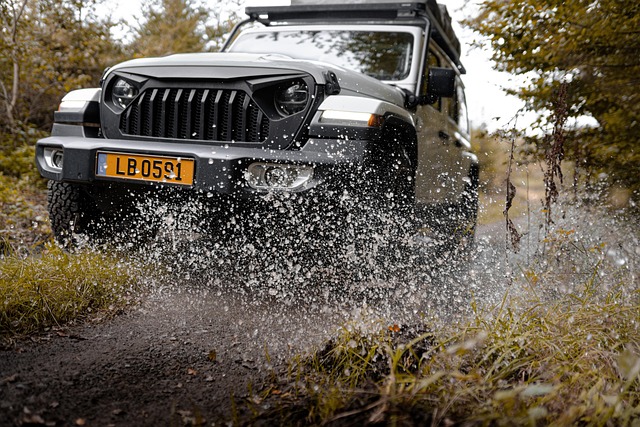
Rock rails, also known as bull bars or front guards, are specialized barriers designed to protect your 4×4’s front end during off-road adventures. They are typically made from robust materials like steel, aluminum, or composite materials, offering a combination of strength and weight efficiency.
Key Functions of Rock Rails:
-
Protection: The primary role is to safeguard vital components like the grille, headlamps, and radiators from impacting rocks, debris, and other obstacles during rough terrain navigation.
-
Aesthetics: They enhance the overall look of your vehicle, providing a rugged and aggressive off-road appeal.
-
Enhanced Capabilities: By increasing ground clearance and providing a buffer zone, rock rails enable your 4×4 to tackle more challenging trails.
Benefits of Installing Rock Rails
Investing in rock rails offers numerous advantages for off-road enthusiasts. Let’s explore some of the key benefits:
1. Increased Safety:
-
Protection from Rollovers: In the event of hitting a bump or encountering a sharp turn, rock rails can help prevent your 4×4 from rolling over by providing stability and absorbing impact forces.
-
Debris Deflection: They deflect flying debris, reducing the risk of damage to your vehicle’s front end and ensuring a smoother ride.
2. Improved Off-Road Performance:
-
Enhanced Ground Clearance: Rock rails raise your vehicle’s front end, providing more clearance to navigate over rocks, logs, and other obstacles.
-
Better Traction: Increased ground contact allows for improved traction, enabling your 4×4 to climb steep slopes and traverse challenging terrain with ease.
3. Customization and Personalization:
-
Styling Options: With various designs, materials, and finishes available, rock rails offer a way to personalize your 4×4’s look while enhancing its functionality.
-
Customization: You can choose rock rails tailored to your vehicle’s make, model, and year, ensuring a perfect fit and optimal performance.
Choosing the Right Rock Rails for Your 4×4
Selecting the appropriate rock rails is crucial to ensure they meet your off-road needs and vehicle specifications. Here are some factors to consider:
1. Vehicle Compatibility:
-
Make, Model, and Year: Ensure the rock rails are designed specifically for your 4×4 make, model, and year for a secure and precise fit.
-
Lift Kit Compatibility: If your 4×4 has a lift kit, choose rock rails compatible with the increased clearance to avoid any interference.
2. Material and Construction:
-
Strength and Durability: Opt for high-quality materials like steel or aluminum alloy for superior strength and corrosion resistance.
-
Welding and Fabrication: Consider the construction method; robust welding and precision fabrication ensure the rock rails can withstand extreme forces.
3. Design and Functionality:
-
Size and Shape: Choose a design that complements your vehicle’s aesthetics and provides adequate protection for your front end.
-
Additional Features: Some rock rails offer integrated winches, lights, or other accessories that can enhance your off-road experience.
Installation of Rock Rails: A Step-by-Step Guide
Installing rock rails is a specialized task that requires proper tools and knowledge. Here’s a simplified step-by-step guide to help you through the process:
Preparation:
-
Gather Tools: You’ll need jack stands, a jack, wrenches, sockets, and any hardware provided with the rock rails.
-
Clean and Inspect: Ensure your 4×4’s front end is clean and free of debris. Inspect the mounting points for any damage.
Step 1: Lift and Secure
-
Lift Your Vehicle: Use a jack and jack stands to safely lift your 4×4 and secure it in a level position.
-
Position the Rock Rails: Align the rock rails with the front end, ensuring they are centered and at the desired height.
Step 2: Mounting and Bolting
-
Attach Mounting Brackets: Secure the rock rails using the provided mounting brackets and bolts. Tighten them securely but be mindful of over-tightening.
-
Check for Alignment: Double-check that the rock rails are properly aligned and level.
Step 3: Testing and Adjustments
-
Lower Your Vehicle: Carefully lower your 4×4 and test the rock rails by gently bumping the front end to ensure they absorb impact without movement.
-
Make Adjustments: If needed, make minor adjustments to ensure a secure and stable fit.
Maintenance and Care for Rock Rails
Proper maintenance ensures your rock rails remain effective and safe over the long term. Here are some tips for keeping them in top condition:
-
Regular Inspection: Periodically inspect your rock rails for any signs of damage, corrosion, or loose connections.
-
Cleaning: Keep them clean to prevent debris buildup, which can weaken their structure over time.
-
Welding and Repairs: If you notice any structural damage, consult a professional to perform welding repairs or replace damaged components.
-
Lubrication: Some rock rails may have moving parts; lubricate these areas as recommended by the manufacturer to ensure smooth operation.
FAQ
1. Can rock rails damage my vehicle’s front end if I hit a bump?
Rock rails are designed to absorb and distribute the force of impacts, preventing damage to your vehicle’s front end. However, extremely high-speed collisions or severe off-road conditions may still cause damage if not properly maintained or fitted.
2. How do I choose the right size and shape for my 4×4?
The ideal size and shape depend on your vehicle’s make, model, and desired aesthetics. Consider the clearance requirements for your specific terrain and choose a design that complements your 4×4’s front end.
3. Do I need professional installation, or can I install rock rails myself?
For optimal results and safety, professional installation is recommended. Specialized tools and knowledge ensure a secure fit. However, if you’re confident in your abilities, follow the manufacturer’s instructions for a DIY installation.
4. How often should I inspect and maintain my rock rails?
Regular inspection is crucial, especially after off-road adventures. At a minimum, inspect them monthly and after any extreme off-road conditions. Maintenance, including cleaning and lubrication, should be performed as per the manufacturer’s recommendations.
5. Can rock rails affect my vehicle’s warranty?
Some vehicle manufacturers may have specific policies regarding aftermarket modifications. Check with your dealer or manufacturer to understand any potential impacts on your warranty. Generally, proper installation and maintenance can help minimize any warranty issues.
Conclusion: Maximizing Off-Road Potential with Rock Rails
Investing in rock rails from tips-from-mcallen’s-4×4-suspension-specialists is a strategic decision that enhances your 4×4’s performance, safety, and longevity. By understanding the benefits, choosing the right components, and ensuring proper installation and maintenance, you can confidently tackle the most challenging off-road trails with peace of mind.
With rock rails, your 4×4 becomes a formidable off-road machine, capable of conquering terrain once considered too daunting. So, get out there, explore the wilderness, and let your 4×4’s capabilities shine!